Key Summary: Between areolar and reticular, dense regular and dense irregular, the beginner anatomy student is expected to tell the difference ... A complete organized library of all my videos, digital slides, pics, & sample pathology reports is available here: ...
Histology 2014 - Information Practical Context
Use this page to review Histology 2014 with helpful explanations, comparison points, and reader-focused details so readers can continue exploring with more context.
In addition, this page also connects Histology 2014 with for broader topic coverage.
Information Practical Context
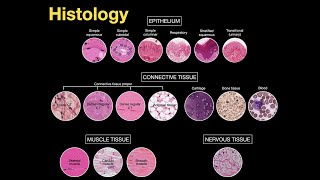
The four types of tissue you find in your body are muscles, nervous tissue, epithelial tissue, and connective tissue. A complete organized library of all my videos, digital slides, pics, & sample pathology reports is available here: ... Between areolar and reticular, dense regular and dense irregular, the beginner anatomy student is expected to tell the difference ...
Quick Details
Between areolar and reticular, dense regular and dense irregular, the beginner anatomy student is expected to tell the difference ...
Starter Guide for Readers
A clean overview helps readers understand Histology 2014 before moving into details, examples, or connected topics.
Guide Follow-Up Tips
For changing topics, check updated sources and avoid depending on one short snippet alone.
Useful notes from the results
- The four types of tissue you find in your body are muscles, nervous tissue, epithelial tissue, and connective tissue.
- Between areolar and reticular, dense regular and dense irregular, the beginner anatomy student is expected to tell the difference ...
- A complete organized library of all my videos, digital slides, pics, & sample pathology reports is available here: ...
Why this topic is useful
This topic hub helps readers find a broader view for Histology 2014 when the topic has many possible meanings.
Quick FAQ
Is this page a final source?
No. It is best used as a quick reference and discovery page before checking stronger or official sources.
What is the safest way to use Histology 2014 information?
Use it as general context first, then verify important points with official, primary, or more specific sources when accuracy matters.
How does Histology 2014 connect to topic?
Histology 2014 can connect to topic when readers need context, examples, comparisons, or practical next steps inside the same topic area.
How does Histology 2014 connect to overview?
Histology 2014 can connect to overview when readers need context, examples, comparisons, or practical next steps inside the same topic area.