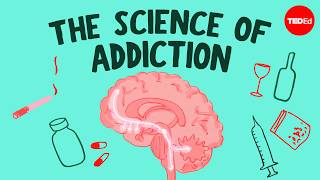
Page Brief: Decision-making in teens involves a chemical called dopamine in the brain's reward center. Take a look at the science of how addictive drugs affect your body and why
Risk Factors For Drug Use And Drug Abuse - Guide Quick Overview
This topic page brings together Risk Factors For Drug Use And Drug Abuse through quick context, useful references, alternate wording, and broader search ideas so the page can feel more natural across many search queries.
In addition, this page also connects Risk Factors For Drug Use And Drug Abuse with for broader topic coverage.
Guide Quick Overview
Decision-making in teens involves a chemical called dopamine in the brain's reward center. Take a look at the science of how addictive drugs affect your body and why
Guide Safety Notes
For changing topics, check updated sources and avoid depending on one short snippet alone.
Context Important Context
Context matters because Risk Factors For Drug Use And Drug Abuse can connect to nearby topics, related searches, and different reader intents.
Context Quick Details
Important details can vary by source, so this page groups the most readable points into a scannable format.
Key points worth scanning
- Take a look at the science of how addictive drugs affect your body and why
- Decision-making in teens involves a chemical called dopamine in the brain's reward center.
What this page helps clarify
A structured page helps readers move from clear context before opening more detailed pages.
Helpful Questions
How does Risk Factors For Drug Use And Drug Abuse connect to overview?
Risk Factors For Drug Use And Drug Abuse can connect to overview when readers need context, examples, comparisons, or practical next steps inside the same topic area.
How can readers check Risk Factors For Drug Use And Drug Abuse more carefully?
Check freshness, source quality, related examples, and any requirements or limitations before relying on one answer.
How should beginners approach Risk Factors For Drug Use And Drug Abuse?
Beginners should scan the overview first, then use related terms to narrow the subject into a more specific question.