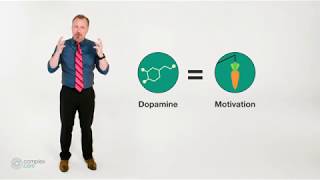
In Brief: Learn how opioid receptors regulate pain signals, how the body releases natural painkillers called endorphins, and how ... chemist Kim Janda, and neuroscientists Eric Nestler and Amir Levine explain the latest thinking in
The Science Of Addiction - Common Reasons
This page gives readers The Science Of Addiction through quick context, useful references, alternate wording, and broader search ideas to support more niches without sounding like one fixed template.
In addition, this page also connects The Science Of Addiction with for broader topic coverage.
Common Reasons
chemist Kim Janda, and neuroscientists Eric Nestler and Amir Levine explain the latest thinking in Learn how opioid receptors regulate pain signals, how the body releases natural painkillers called endorphins, and how ...
Quick Guide
The Science Of Addiction can be reviewed through a clear overview first, then compared with related entries and supporting context.
General Practical Points
Important details can vary by source, so this page groups the most readable points into a scannable format.
Topic What to Check First
For changing topics, check updated sources and avoid depending on one short snippet alone.
Quick reference points
- chemist Kim Janda, and neuroscientists Eric Nestler and Amir Levine explain the latest thinking in
- Learn how opioid receptors regulate pain signals, how the body releases natural painkillers called endorphins, and how ...
Why this topic is useful
Readers use this page when they need comparison ideas for The Science Of Addiction so they can continue with better search intent.
Useful FAQ
Why do people search for The Science Of Addiction?
People often search for The Science Of Addiction to understand the basics, compare related options, or find a clearer path to more specific information.
Is this page a final source?
No. It is best used as a quick reference and discovery page before checking stronger or official sources.
What is the safest way to use The Science Of Addiction information?
Use it as general context first, then verify important points with official, primary, or more specific sources when accuracy matters.