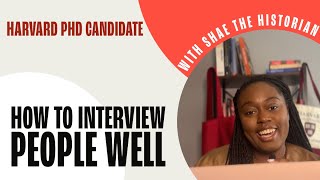
Reader Context: Smithsonian Institution Archives historian Hannah Byrne runs through five easy steps to One of four short films for the Geffrye Museum's Centenary Celebrations Youth Heritage Project.
Tips For Oral History Interviews - Information Main Notes
This discovery page summarizes Tips For Oral History Interviews through meaning, examples, related intent, useful checks, and follow-up paths so the page can feel more natural across many search queries.
In addition, this page also connects Tips For Oral History Interviews with for broader topic coverage.
Information Main Notes
One of four short films for the Geffrye Museum's Centenary Celebrations Youth Heritage Project. Smithsonian Institution Archives historian Hannah Byrne runs through five easy steps to
Guide Details to Compare
Yale presidential historian Michael Takiff, executive director of Gravitas Join archivists Morna Gerrard and Lisa Vallen for a session on preparing and
Source Checks
Use the related entries as follow-up paths when you need more examples, current details, or alternative wording.
General Practical Context
This part keeps Tips For Oral History Interviews connected to practical references instead of leaving it as a single isolated phrase.
Quick reference points
- One of four short films for the Geffrye Museum's Centenary Celebrations Youth Heritage Project.
- Join archivists Morna Gerrard and Lisa Vallen for a session on preparing and
- Smithsonian Institution Archives historian Hannah Byrne runs through five easy steps to
- Yale presidential historian Michael Takiff, executive director of Gravitas
Why this overview helps
This page is useful when someone wants comparison ideas for Tips For Oral History Interviews when the topic has many possible meanings.
Useful FAQ
What is the quickest way to understand Tips For Oral History Interviews?
Start with the main context, then compare related entries and check stronger sources when exact details matter.
When should Tips For Oral History Interviews be verified from official sources?
Official or primary sources are best when the information can affect decisions, costs, eligibility, safety, or deadlines.
Why do search results for Tips For Oral History Interviews vary?
Start with the main context, then compare related entries and check stronger sources when exact details matter.