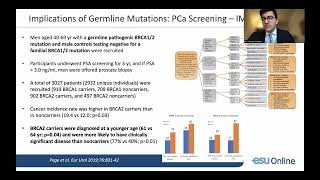
Context Card: Thanks to novel approaches and genomic stratification we have entered a new era where advanced genitourinary
Urowebinar Parp Inhibitors In Prostate Cancer Part 1 - Resource Quick Overview
This page organizes Urowebinar Parp Inhibitors In Prostate Cancer Part 1 with background information, practical notes, and nearby searches before opening more specific references.
In addition, this page also connects Urowebinar Parp Inhibitors In Prostate Cancer Part 1 with for broader topic coverage.
Resource Quick Overview
A clean overview helps readers understand Urowebinar Parp Inhibitors In Prostate Cancer Part 1 before moving into details, examples, or connected topics.
Guide Safety Notes
For changing topics, check updated sources and avoid depending on one short snippet alone.
Context Important Context
Context matters because Urowebinar Parp Inhibitors In Prostate Cancer Part 1 can connect to nearby topics, related searches, and different reader intents.
Practical Points for Readers
Important details can vary by source, so this page groups the most readable points into a scannable format.
Key points worth scanning
- Thanks to novel approaches and genomic stratification we have entered a new era where advanced genitourinary
What this page helps clarify
This page is useful when someone wants practical reminders for Urowebinar Parp Inhibitors In Prostate Cancer Part 1 so they can continue with better search intent.
Helpful Questions
How can readers narrow down Urowebinar Parp Inhibitors In Prostate Cancer Part 1?
Readers can narrow it by adding location, year, product name, provider, price range, purpose, or the exact problem they want to solve.
How does Urowebinar Parp Inhibitors In Prostate Cancer Part 1 connect to information?
Urowebinar Parp Inhibitors In Prostate Cancer Part 1 can connect to information when readers need context, examples, comparisons, or practical next steps inside the same topic area.
What is the quickest way to understand Urowebinar Parp Inhibitors In Prostate Cancer Part 1?
Start with the main context, then compare related entries and check stronger sources when exact details matter.