Useful Summary: Ben Neale (Institute Member, Broad Institute; Associate Professor, Harvard Medical School) discusses his Take a glimpse at highlights from an evening of conversation and discovery with Lars Chittka, Ph.D., Professor of Sensory ...

You Don T Have To Be A Scientist To Think Critically About Research With Dr Lyle Ostrow - Context Reference Guide

This quick-reference page explains You Don T Have To Be A Scientist To Think Critically About Research With Dr Lyle Ostrow with important notes, comparison points, and freshness checks while keeping the information easy to browse.

In addition, this page also connects You Don T Have To Be A Scientist To Think Critically About Research With Dr Lyle Ostrow with for broader topic coverage.

Context Reference Guide

Take a glimpse at highlights from an evening of conversation and discovery with Lars Chittka, Ph.D., Professor of Sensory ... Understanding space health factors is essential considering increased space travel and the prospect of longer duration missions.

Overview Core Points

Nobel Laureate Brian Kobilka visited Seoul, South Korea, in autumn 2016 as part of the Nobel Prize Inspiration Initiative. Ben Neale (Institute Member, Broad Institute; Associate Professor, Harvard Medical School) discusses his

General Follow-Up Tips

Use the related entries as follow-up paths when you need more examples, current details, or alternative wording.

Topic Reference Context

This part keeps You Don T Have To Be A Scientist To Think Critically About Research With Dr Lyle Ostrow connected to practical references instead of leaving it as a single isolated phrase.

Quick reference points

  • Ben Neale (Institute Member, Broad Institute; Associate Professor, Harvard Medical School) discusses his
  • Understanding space health factors is essential considering increased space travel and the prospect of longer duration missions.
  • Nobel Laureate Brian Kobilka visited Seoul, South Korea, in autumn 2016 as part of the Nobel Prize Inspiration Initiative.
  • Take a glimpse at highlights from an evening of conversation and discovery with Lars Chittka, Ph.D., Professor of Sensory ...

How readers can use this page

This page is useful when readers need a fast starting point without relying on one short snippet.

Sponsored

Useful FAQ

How does You Don T Have To Be A Scientist To Think Critically About Research With Dr Lyle Ostrow connect to similar topics?

Avoid treating one short snippet as complete, especially when the topic involves money, health, law, schedules, or current details.

Can details about You Don T Have To Be A Scientist To Think Critically About Research With Dr Lyle Ostrow change?

Yes. Some details may change depending on providers, policies, dates, locations, product updates, or official announcements.

How can this page help with research?

It groups related context and search paths so readers can move from a broad idea into more focused follow-up pages.

Context Images

You don’t have to be a scientist to think critically about research with Dr. Lyle Ostrow
Meet the Authors: Spaceflight Health Factors (October 3, 2024)
Can you tell early on who will be a good scientist? Brian Kobilka
If you want to become a scientist, first start to think like one | Leif Sieben | TEDxYouth@Basel
#BIGIDEAS | The Minds of Insects
Everyone is a Scientist | Randy R. Brutkiewicz, PhD | TEDxAvon High School
How to Help a Scientist Find a New Species
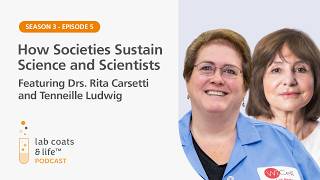
How Societies Sustain Science and Scientists featuring Drs. Tenneille Ludwig and Rita Carsetti
Why did you do this research?
Not all scientific studies are created equal - David H. Schwartz
Sponsored
Continue Exploring
You don’t have to be a scientist to think critically about research with Dr. Lyle Ostrow

You don’t have to be a scientist to think critically about research with Dr. Lyle Ostrow

Read more details and related context about You don’t have to be a scientist to think critically about research with Dr. Lyle Ostrow.

Meet the Authors: Spaceflight Health Factors (October 3, 2024)

Meet the Authors: Spaceflight Health Factors (October 3, 2024)

Understanding space health factors is essential considering increased space travel and the prospect of longer duration missions.

Can you tell early on who will be a good scientist? Brian Kobilka

Can you tell early on who will be a good scientist? Brian Kobilka

Nobel Laureate Brian Kobilka visited Seoul, South Korea, in autumn 2016 as part of the Nobel Prize Inspiration Initiative. Through ...

If you want to become a scientist, first start to think like one | Leif Sieben | TEDxYouth@Basel

If you want to become a scientist, first start to think like one | Leif Sieben | TEDxYouth@Basel

Read more details and related context about If you want to become a scientist, first start to think like one | Leif Sieben | TEDxYouth@Basel.

#BIGIDEAS | The Minds of Insects

#BIGIDEAS | The Minds of Insects

Take a glimpse at highlights from an evening of conversation and discovery with Lars Chittka, Ph.D., Professor of Sensory ...

Everyone is a Scientist | Randy R. Brutkiewicz, PhD | TEDxAvon High School

Everyone is a Scientist | Randy R. Brutkiewicz, PhD | TEDxAvon High School

Read more details and related context about Everyone is a Scientist | Randy R. Brutkiewicz, PhD | TEDxAvon High School.

How to Help a Scientist Find a New Species

How to Help a Scientist Find a New Species

Read more details and related context about How to Help a Scientist Find a New Species.

How Societies Sustain Science and Scientists featuring Drs. Tenneille Ludwig and Rita Carsetti

How Societies Sustain Science and Scientists featuring Drs. Tenneille Ludwig and Rita Carsetti

Read more details and related context about How Societies Sustain Science and Scientists featuring Drs. Tenneille Ludwig and Rita Carsetti.

Why did you do this research?

Why did you do this research?

Ben Neale (Institute Member, Broad Institute; Associate Professor, Harvard Medical School) discusses his

Not all scientific studies are created equal - David H. Schwartz

Not all scientific studies are created equal - David H. Schwartz

Read more details and related context about Not all scientific studies are created equal - David H. Schwartz.